
Scleral Lenses for Keratoconus in Yakima, WA: Can They Fix Your Blur When Regular Contacts Fail?
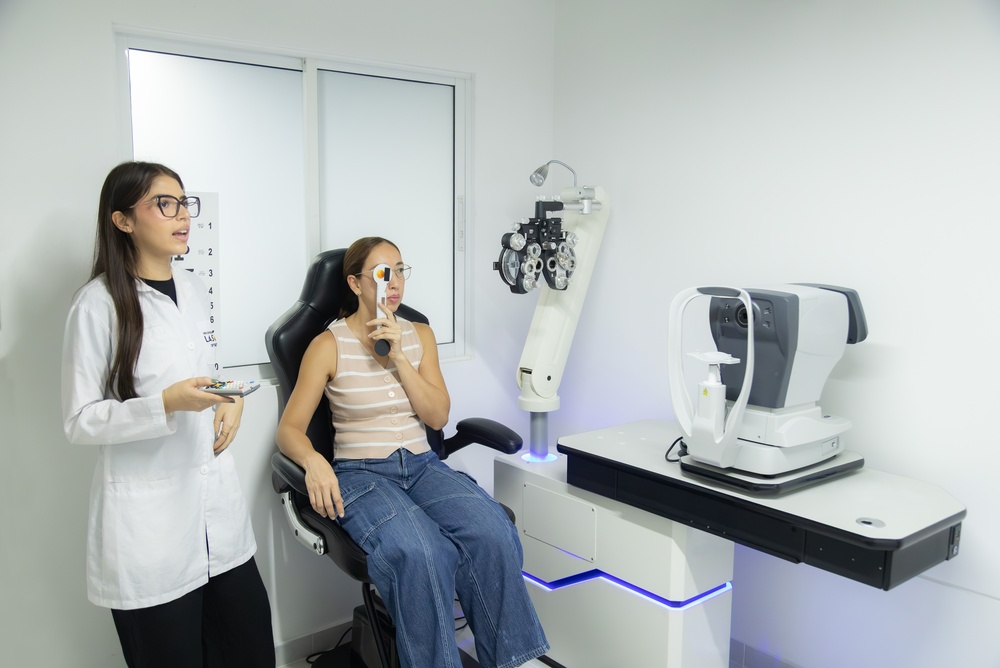
Keratoconus is a condition where the cornea gradually becomes thinner and changes shape, creating a cone-like bulge. Since the cornea helps focus light, these irregular changes can cause blurry vision, ghosting, glare, and difficulty seeing clearly with traditional glasses or contact lenses.
For many patients in Yakima, WA, regular soft contact lenses may no longer provide the vision quality or comfort they need. Scleral lenses are a specialty option designed to address the irregular focus caused by changes in the cornea.
How Scleral Lenses Help With Keratoconus
Scleral lenses are larger rigid gas-permeable lenses that rest on the white part of the eye, known as the sclera, instead of directly on the cornea. Their design allows the lens to vault over the irregular corneal surface and create a smoother optical surface.
The space between the scleral lens and cornea is filled with sterile preservative-free saline before insertion. This fluid reservoir helps support comfort and can improve vision quality by reducing the impact of corneal irregularities.
Scleral lenses can improve clarity and comfort for many people with keratoconus, but they do not cure the condition. They do not permanently reshape the cornea or stop progression. Results vary based on individual eye health, and factors such as corneal scarring or other conditions may affect visual outcomes. Scleral lenses provide vision correction while they are worn.
Signs To Discuss During A Scleral Lens Evaluation
A comprehensive eye evaluation can help determine whether scleral lenses may be an appropriate option for your needs. During an appointment, we review your symptoms, current correction, and overall eye health.
Signs to discuss during an evaluation include:
- Blurry vision or ghosting that makes details difficult to see
- Increased glare or halos, especially in dim lighting
- Discomfort or dryness when wearing soft contact lenses
- Contact lenses that move or do not remain stable
- Frequent prescription changes over time
These symptoms do not always indicate keratoconus, but discussing changes in your vision can help guide the next steps in care.
What To Expect During A Scleral Lens Fitting
A scleral lens fitting requires detailed measurements and adjustments to create a comfortable, stable fit. We evaluate lens clearance, edge alignment, and vision quality to help determine the best fit for your eyes.
The process may include trial lenses and adjustments as needed. Corneal mapping and regular follow-up appointments may also be recommended to monitor changes related to keratoconus.
Scleral lenses address vision correction, while treatments for keratoconus progression focus on protecting the health of the cornea. Corneal cross-linking is a procedure that aims to slow or stop progression and may require referral to an appropriate specialist when indicated.
Caring For Your Scleral Lenses
Proper lens care helps protect your eyes and maintain comfortable wear. Scleral lenses should be filled only with sterile preservative-free saline before insertion. This saline does not disinfect lenses, so daily cleaning and disinfection must be completed using the prescribed care system.
Avoid using tap water with your lenses, and do not sleep, swim, or shower while wearing them. Follow your individualized wear schedule and contact your eye care provider promptly if you experience pain, redness, light sensitivity, or sudden vision changes.
Preparing For Your Scleral Lens Appointment
Before your appointment, bring your current glasses, contact lenses, prescription information, and any available keratoconus records, including previous cross-linking information if applicable. Ask our team before your visit whether you should stop wearing contact lenses before measurements.
Schedule your scleral lens consultation with Primary Focus Eye Center in Yakima, WA by calling (509) 401-8277.
Quick Links
Helpful Articles
article_category: vision therapy
article_category: conditions
article_category: surgical procedures
article_category: technology
article_category: products
article_category: psychiatry
article_category: cats
article_category: eye health
article_category: Aesthetics
article_category: dogs
article_category: general
article_category: health
article_category: exotic
article_category: preventative
article_category: services
article_category: contact lenses
article_category: eyeglasses
article_category: large animal
article_category: ocular disease management
article_category: restorative
article_category: eye surgery co-management
article_category: FAQ & tips
article_category: cosmetic
[]
Flowbite is an open-source library of interactive components built on top of Tailwind CSS including buttons, dropdowns, modals, navbars, and more.
Check out this guide to learn how to get started and start developing websites even faster with components on top of Tailwind CSS.
All Eyecare Services
We offer a wide variety of eye care services to the Yakima community. Contact us with any questions about our services.

Keep In Touch
For non-urgent questions or to learn more about our services, contact us today!
Quick Links
Contact Info
- 110 S 72nd Ave #120
Yakima, WA 98908 - Phone: (509) 401-8277
- Fax: (509) 966-3303
Hours of Operation
- Monday 9:00am - 6:00pm
- Tuesday 9:00am - 6:00pm
- Wednesday 9:00am - 6:00pm
- Thursday 9:00am - 6:00pm
- Friday 9:00am - 6:00pm
- Saturday 10:00am - 3:00pm
- Sunday Closed
- Monday
- Tuesday
- Wednesday
- Thursday
- Friday
- Saturday
- Sunday
- Monday
- Tuesday
- Wednesday
- Thursday
- Friday
- Saturday
- Sunday
© 2026 Primary Focus Eye Center. All rights Reserved - Accessibility Statement - Privacy Policy - Sitemap
Managed and Designed by 