
What Are the Most Common Eye Disorders - and How Can You Prevent Them?
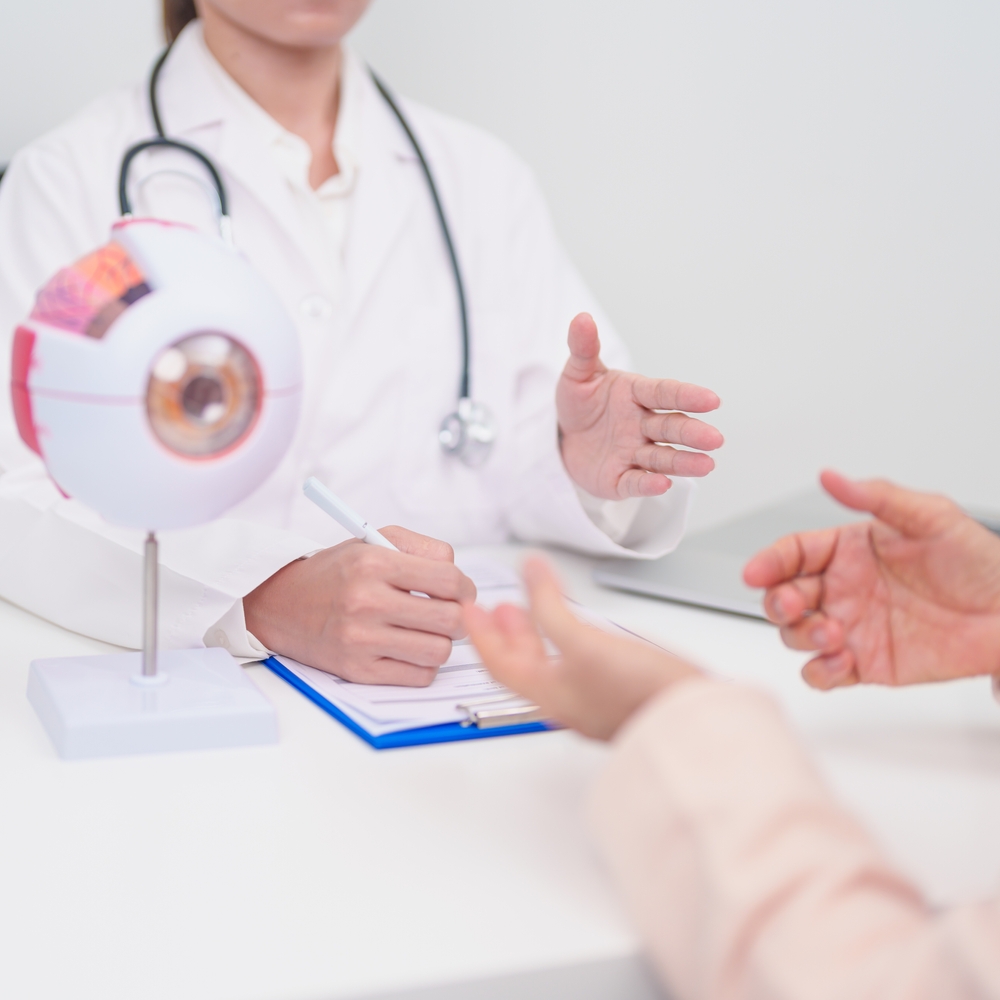
Our eyes work hard every day, yet many people don’t think about eye health until vision problems appear. While some eye conditions develop naturally with age or genetics, many common eye disorders can be managed - or even prevented - through early detection and healthy habits.
Refractive Errors
Refractive errors are the most common vision problems and occur when the eye is unable to properly focus light. These conditions include nearsightedness (myopia), farsightedness (hyperopia), astigmatism, and presbyopia, which is an age-related difficulty focusing on close objects.
While refractive errors cannot always be prevented, regular comprehensive eye exams play a key role in early detection and management. Wearing prescribed glasses or contact lenses as directed, taking breaks during prolonged screen use, and ensuring children receive routine eye exams - even if no symptoms are present - can help prevent eye strain, headaches, and learning challenges.
Dry Eye Disease
Dry eye disease occurs when the eyes do not produce enough tears or when tears evaporate too quickly. This condition has become increasingly common due to extended screen time, environmental factors, and natural aging. Symptoms may include burning or stinging sensations, redness, a gritty or sandy feeling, and blurred vision that improves with blinking.
To help reduce symptoms, individuals should blink regularly - especially when using digital devices - stay hydrated, limit exposure to dry or windy environments, and follow the 20-20-20 rule during screen use.
Cataracts
Cataracts develop when the eye’s natural lens becomes cloudy, leading to blurred or dim vision. They are a leading cause of vision loss as people age. Risk factors include aging, prolonged UV exposure, smoking, and chronic conditions such as diabetes.
Although cataracts cannot always be avoided, wearing UV-protective sunglasses outdoors, quitting smoking, maintaining a healthy diet rich in antioxidants, managing underlying health conditions, and attending routine eye exams can help lower the risk and support early detection.
Glaucoma
Glaucoma is a serious eye condition that damages the optic nerve, often due to increased pressure within the eye. It typically develops without noticeable early symptoms and can result in permanent vision loss if left untreated.
Regular eye exams - especially after age 40 - are essential for early detection. Individuals should also inform their eye doctor of any family history of glaucoma and follow prescribed treatment plans closely if diagnosed. Because glaucoma progresses silently, early diagnosis is critical for preserving vision.
Macular Degeneration
Age-related macular degeneration (AMD) affects the central part of the retina, impacting activities such as reading, driving, and recognizing faces. Risk factors include aging, genetics, smoking, and poor nutrition.
Protecting vision may involve eating a diet rich in leafy greens and omega-3 fatty acids, avoiding smoking, wearing sunglasses that block UV light, and monitoring vision changes through routine eye exams.
Eye Infections and Inflammation
Eye infections and inflammatory conditions such as conjunctivitis (pink eye), blepharitis, and keratitis can result from bacteria, viruses, allergies, or poor hygiene.
Preventive measures include washing hands before touching the eyes, avoiding the sharing of eye makeup or personal items, replacing eye makeup regularly, and following proper contact lens care guidelines to reduce the risk of infection.
Schedule Your Eye Exam Today
Many of the most common eye disorders develop gradually and may not cause noticeable symptoms at first. That’s why preventive care and routine eye exams play such an important role in maintaining long-term eye health. By understanding potential risks and taking proactive steps, you can help preserve clear, comfortable vision for years to come.
If you’re experiencing changes in your eyesight, schedule an eye exam with Primary Focus Eye Center and take a proactive step toward protecting your eye health. Visit our office in Yakima, Washington, or call (509) 401-8277 today.
Quick Links
Helpful Articles
article_category: ocular disease management
article_category: restorative
article_category: vision therapy
article_category: conditions
article_category: surgical procedures
article_category: technology
article_category: products
article_category: psychiatry
article_category: cats
article_category: eye health
article_category: Aesthetics
article_category: dogs
article_category: general
article_category: health
article_category: exotic
article_category: preventative
article_category: services
article_category: contact lenses
article_category: eyeglasses
article_category: large animal
article_category: eye surgery co-management
article_category: FAQ & tips
article_category: cosmetic
[]
article_category: restorative
article_category: vision therapy
article_category: conditions
article_category: surgical procedures
article_category: technology
article_category: products
article_category: psychiatry
article_category: cats
article_category: eye health
article_category: Aesthetics
article_category: dogs
article_category: general
article_category: health
article_category: exotic
article_category: preventative
article_category: services
article_category: contact lenses
article_category: eyeglasses
article_category: large animal
article_category: eye surgery co-management
article_category: FAQ & tips
article_category: cosmetic
[]
Flowbite is an open-source library of interactive components built on top of Tailwind CSS including buttons, dropdowns, modals, navbars, and more.
Check out this guide to learn how to get started and start developing websites even faster with components on top of Tailwind CSS.
All Eyecare Services
We offer a wide variety of eye care services to the Yakima community. Contact us with any questions about our services.

Keep In Touch
For non-urgent questions or to learn more about our services, contact us today!
Quick Links
Contact Info
- 110 S 72nd Ave #120
Yakima, WA 98908 - Phone: (509) 401-8277
- Fax: (509) 966-3303
Hours of Operation
- Monday 9:00am - 6:00pm
- Tuesday 9:00am - 6:00pm
- Wednesday 9:00am - 6:00pm
- Thursday 9:00am - 6:00pm
- Friday 9:00am - 6:00pm
- Saturday 10:00am - 3:00pm
- Sunday Closed
- Monday
- Tuesday
- Wednesday
- Thursday
- Friday
- Saturday
- Sunday
- Monday
- Tuesday
- Wednesday
- Thursday
- Friday
- Saturday
- Sunday
© 2025 Primary Focus Eye Center. All rights Reserved - Accessibility Statement - Privacy Policy - Sitemap
Managed and Designed by 